
What to do when gambling stops being fun and becomes a problem
Recognizing the Signs of Problem Gambling
Understanding when gambling transitions from a casual pastime to a potential addiction is crucial. Common signs that your gambling habits may be evolving into a problem include losing track of time, spending more money than intended, and feeling an overwhelming urge to gamble despite negative consequences. When gambling ceases to be a source of entertainment and begins causing stress, shame, or financial issues, it’s vital to take a step back and assess your behavior.
Additionally, if you find yourself lying about your gambling activities or feeling anxious when unable to gamble, these are red flags. The thrill of gambling can be intoxicating, but when the stakes become your well-being or financial stability, a reevaluation is necessary. Awareness is the first step towards regaining control over your habits.
The Impact of Gambling on Life and Relationships
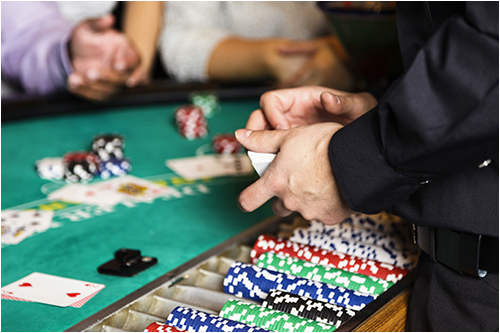
Gambling can significantly affect not only personal finances but also relationships with friends and family. The secrecy that often accompanies excessive gambling can lead to trust issues and strained bonds. When loved ones notice changes in mood, financial status, or priorities due to gambling, they may become concerned and begin to withdraw, exacerbating feelings of isolation.
Furthermore, excessive gambling can lead to significant debt and financial instability, creating a cycle of stress that can negatively impact mental health. When money becomes an issue, it can create friction in personal relationships, leading to arguments or distance. Recognizing how gambling impacts those around you can motivate a reevaluation of your habits for the sake of your loved ones.
Strategies for Regaining Control Over Gambling Habits
If you find that gambling has stopped being enjoyable, there are strategies you can implement to regain control. One effective method is to set strict limits on both time and money. Prioritize creating a budget that specifically earmarks certain amounts for entertainment, and stick to it. Consider implementing self-exclusion techniques, such as blocking access to online gambling sites or avoiding casinos altogether.

Additionally, seeking support from friends, family, or even professional counselors can provide essential guidance. Talking openly about your struggles can help alleviate the emotional burden and provide accountability. Engaging in alternative hobbies or activities can also fill the void and redirect your energy toward more fulfilling pursuits.
When to Seek Professional Help
There comes a time when self-regulation may not be enough, and seeking professional help becomes necessary. If you notice persistent patterns of destructive gambling despite your best efforts to curb it, professional intervention may be required. Various resources, including therapists specializing in gambling addiction, group counseling, and support organizations, offer valuable assistance.
These professionals can provide coping strategies and tools to manage urges. They often create a safe space for individuals to discuss their feelings and experiences without judgment. Recognizing the need for help is a vital step towards recovery and is indicative of strength rather than weakness.
Resources for Responsible Gambling
Numerous online and local resources are available for those looking to gamble responsibly. Websites such as the National Council on Problem Gambling offer comprehensive information about recognizing problem gambling, as well as access to support services. Additionally, many gaming establishments now promote responsible gambling practices, providing tools for self-assessment and guidelines for setting limits.
For those in New Zealand, for instance, visiting best online pokies nz can lead you to platforms that emphasize responsible gaming. Utilizing these resources can empower individuals to gamble responsibly and ensure entertainment remains the primary focus rather than a source of distress.