
Are luck and skill equally important in the world of gambling?
The Role of Luck in Gambling
When it comes to gambling, luck is often considered the cornerstone of the experience. Players frequently enter casinos or online games with the hope that fortune will smile upon them. Chance plays a critical role, especially in games like slots and roulette, where outcomes are determined entirely by random events. The thrill of not knowing whether you will win or lose adds to the excitement, making the gamble more enticing.
Researchers suggest that the aspect of luck can enhance emotional engagement. For many, the unpredictability of wins and losses sparks adrenaline, creating a sense of exhilaration. Without this element of chance, gambling could become monotonous and less appealing. It’s this allure of luck that draws countless individuals to engage in a variety of gambling activities, including online platforms where players can try their hand at the best pokies online.
The Importance of Skill in Gambling
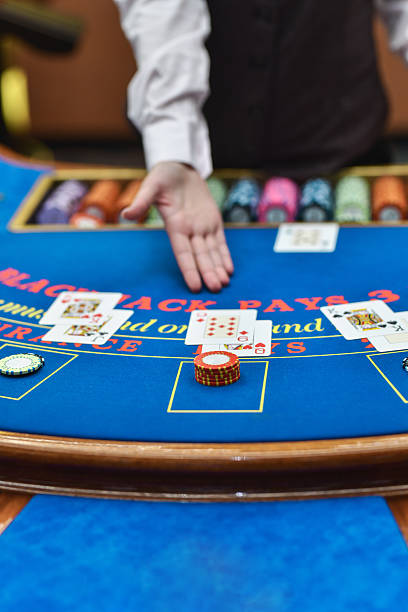
While luck has its undeniable place, skill cannot be overlooked. In games like poker and blackjack, a player’s knowledge, strategy, and experience are vital to consistently achieve success. Skilled players can read their opponents, manage their bankroll effectively, and use strategic decision-making to improve their odds. Unlike purely luck-based games, these strategic elements define the landscape of skill-based games.
Moreover, skill enables players to mitigate losses by making informed decisions. For instance, understanding the odds and probabilities can drastically alter how one plays. A skilled player knows when to fold, when to raise, and can often turn the tide of a game in their favor through careful analysis and execution. This strategic element transforms gambling from a random hazard to a more calculated risk.
The Balance Between Luck and Skill
The tension between luck and skill raises an intriguing question: can one outweigh the other? Many experts argue that while skill enhances a player’s chances of winning, luck remains a significant factor, especially in the short term. Over extended periods, skilled players often achieve better results compared to those relying purely on luck.

This dynamic interplay manifests itself vividly in various games. For example, in a tournament setting, skill tends to dominate as players have time to showcase their abilities. However, in casual play or one-off games, luck often dictates outcomes, creating situations where even novice players can triumph. Thus, luck and skill operate in a delicate balance that shapes every gambling experience.
Gambling as a Form of Entertainment
Despite the debate of luck versus skill, many engage in gambling primarily for entertainment. The ambiance of casinos, the thrill of a game, and the social interactions involved offer an enchanting atmosphere that transcends the mere quest for winning. Even high-stakes games can sometimes take a backseat to the fun and excitement of the experience.
This entertainment aspect might encourage many to participate without necessarily aiming for profit. As a result, the enjoyment derived from gambling can outshine the actual financial outcome. This perspective emphasizes that while both luck and skill are essential, they are often competing elements in a broader context of leisure and social engagement.
Explore More About Gambling
Understanding the intricate relationship between luck and skill in gambling operates at multiple levels, which the website provides insights into. It addresses both novice and experienced gamblers by explaining the nuances of various games and the strategies that can enhance overall enjoyment and success.
Whether you are drawn by luck or skill, the experience of gambling is multifaceted. It combines elements of strategy, chance, and social interaction, inviting exploration. Dive deeper into this fascinating world to enrich your understanding and perhaps elevate your own gaming experience.