
Exploring cultural attitudes towards gambling across different societies
Understanding Gambling in Historical Context
Gambling has been a part of human civilization for thousands of years, with its roots traced back to ancient cultures. Historical records show that the practice of wagering was common in societies such as the Chinese, Egyptians, and Greeks. These societies integrated gambling into their cultural and social fabric, often associating it with fate, luck, and divine intervention. In these early civilizations, games of chance were frequently linked with religious rituals, highlighting how gambling was perceived not merely as entertainment but also as a means of connecting with higher powers. Today, sites like vegabet casino illustrate how this practice has evolved into diverse platforms.

In many cultures, gambling was also an essential part of social gatherings and festivals, further embedding it into the communal lifestyle. Ancient Rome, for example, featured gambling during various public events, with citizens placing bets on chariot races and gladiatorial contests. These activities were not only thrilling but also acted as a reflection of the society’s values, where the excitement of risk-taking was often celebrated. This historical perspective sets the stage for understanding how contemporary societies have inherited and adapted these cultural attitudes.
As societies evolved, so too did perceptions of gambling. The Renaissance period marked a shift where gambling began to be viewed through a more moral lens, especially in European cultures. With the rise of religious movements, gambling faced scrutiny and was often labeled as sinful or morally corrupt. Nevertheless, the allure of gambling persisted, leading to the establishment of regulated gaming in cities like Venice and Monte Carlo, illustrating the tension between societal norms and the enduring popularity of games of chance.
Modern Attitudes Towards Gambling in Different Cultures
In contemporary society, attitudes towards gambling vary significantly across different cultures. In countries like the United States, gambling is largely seen as a form of entertainment and leisure, supported by the proliferation of casinos and online gambling platforms. The massive success of Las Vegas stands as a testament to this acceptance, where gambling is intertwined with tourism and hospitality. However, alongside this acceptance, there are serious discussions about responsible gambling and addiction, illustrating a duality in the cultural approach to wagering.
Contrastingly, in nations like Japan and South Korea, gambling is met with more stringent regulations and societal taboos. While there are some legal avenues for gambling, such as the popular pachinko parlors in Japan, the overall attitude tends to lean towards caution and conservatism. In these societies, gambling is often associated with negative outcomes and moral failings, leading to a more restrictive view that limits its integration into daily life. This can impact how individuals engage with gambling, often keeping it hidden rather than celebrated.
In many Arab countries, gambling is outright prohibited due to religious beliefs, particularly within Islamic teachings, which view it as haram, or forbidden. This cultural stance significantly impacts societal norms and behaviors surrounding risk-taking and chance. Even in contexts where illegal gambling exists, it often remains a clandestine activity, reflecting the deep cultural and religious aversions to such practices. Understanding these varied attitudes provides insights into how gambling is perceived differently across the globe.
Online Gambling: A Cultural Shift
The rise of the internet has transformed gambling, introducing online platforms that cater to a global audience. This shift has created opportunities for individuals in countries where traditional gambling is limited or stigmatized. Online gambling allows people to engage in games of chance from the comfort of their homes, often challenging existing cultural norms. As this mode of gambling becomes more prevalent, it prompts a reevaluation of societal attitudes, especially in conservative cultures where gambling might be prohibited.
For many, online gambling offers anonymity, which can help mitigate societal judgment. This is particularly significant in cultures with strong prohibitions against gambling, where individuals can participate without the fear of stigma. However, this anonymity also raises concerns regarding addiction and the potential for exploitation, leading to a complicated discussion around responsible gaming. As more regions begin to recognize and regulate online gambling, it highlights the evolving perceptions of gambling across different societies.
Moreover, the integration of technology in online gambling has opened new avenues for social interaction, creating communities that transcend geographic boundaries. Many online platforms include social features that allow players to interact, share experiences, and foster camaraderie. This aspect has begun to reshape the cultural narrative around gambling, emphasizing shared experiences and personal stories, thereby humanizing what was once considered a solitary or taboo activity in many cultures.
Impact of Gambling on Society and Economy
The economic implications of gambling are profound, influencing local and national economies. In regions where gambling is legal and regulated, it serves as a significant revenue source through taxation and job creation. Casino resorts attract millions of tourists, providing substantial financial benefits to surrounding communities. For example, cities like Las Vegas and Atlantic City have thrived economically due to the influx of gambling revenue, demonstrating how cultural acceptance can yield economic prosperity.
However, the positive economic impact of gambling is often juxtaposed with social costs. Communities can experience adverse effects related to gambling addiction, crime, and family breakdowns. Societies with a higher acceptance of gambling may also face challenges such as increased rates of addiction, leading to heightened awareness and the need for responsible gambling initiatives. This complex relationship between gambling and society necessitates a balanced perspective that acknowledges both the benefits and drawbacks.
In many cases, the economic benefits of gambling are leveraged by governments to promote tourism and development, but this can lead to ethical dilemmas. As societies grapple with the implications of gambling, it becomes crucial to weigh the financial advantages against the potential harm to individuals and families. This ongoing dialogue is essential for shaping future policies and societal norms around gambling.
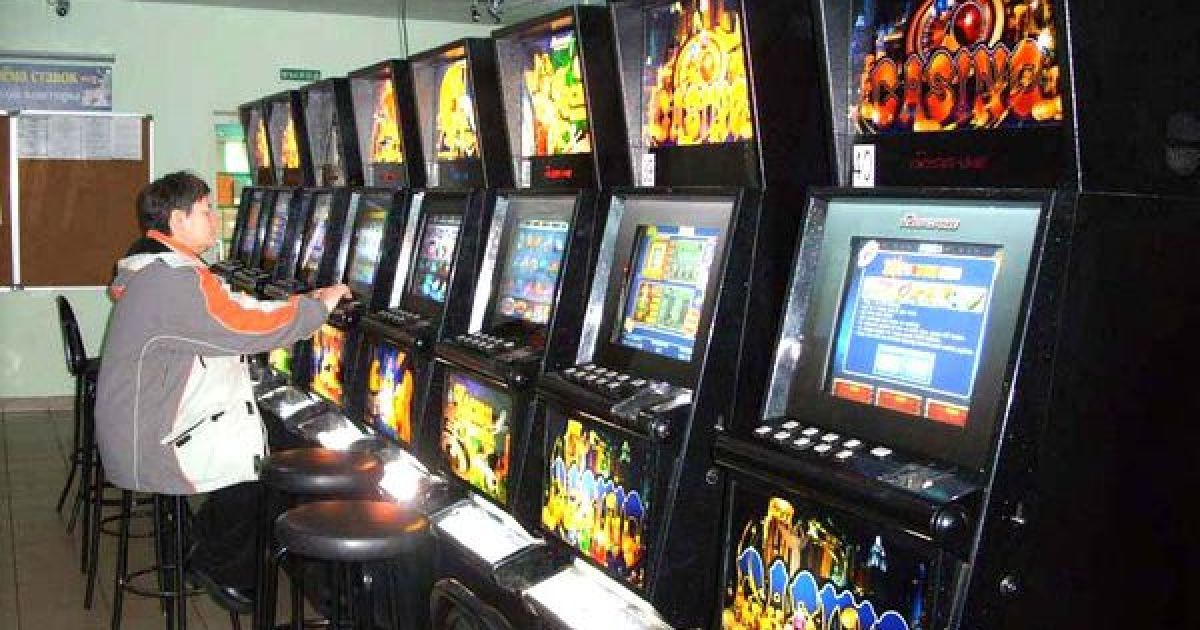
Vegabet Casino: A New Era in Online Gaming
As gambling continues to evolve, platforms like Vegabet Casino are redefining the landscape of online gaming. With a vast selection of over 5,500 games, Vegabet Casino caters to a diverse audience, ensuring that players have an array of options to choose from, ranging from classic table games to innovative slot machines. This extensive game library not only enhances user experience but also reflects the changing preferences of modern gamblers seeking variety and excitement.
Vegabet Casino emphasizes player satisfaction through features like fast payouts, user-friendly navigation, and secure payment methods, including cryptocurrency options. This commitment to providing a seamless gaming experience illustrates a growing trend where players prioritize convenience and security in their gambling activities. The casino’s ability to adapt to these preferences signifies a forward-thinking approach that aligns with contemporary cultural attitudes towards gambling.
Furthermore, Vegabet Casino embodies a community-focused ethos, offering exceptional customer support and tailored rewards, which enrich the overall gaming experience. As more players embrace online platforms, the importance of building a supportive environment becomes apparent. This commitment to player engagement not only reflects changing cultural attitudes towards gambling but also sets a benchmark for other platforms aiming to thrive in an increasingly competitive market.